
Understanding the psychology behind gambling decisions in a casino environment
The Allure of the Casino Atmosphere
The casino environment is designed to captivate and engage players, leveraging various psychological elements to enhance the gaming experience. Bright lights, vibrant colors, and enticing sounds create a sensory overload that keeps players enthralled. This carefully curated atmosphere can lead to impulsive decision-making, where the thrill of potential wins overshadows rational judgment. Players often find themselves caught in a trance-like state, driven by the excitement of the moment rather than strategic thinking. You can further explore this captivating gaming experience with the live game show https://icefishing-game-ie.com/, which offers thrilling opportunities that highlight future trends in gaming.
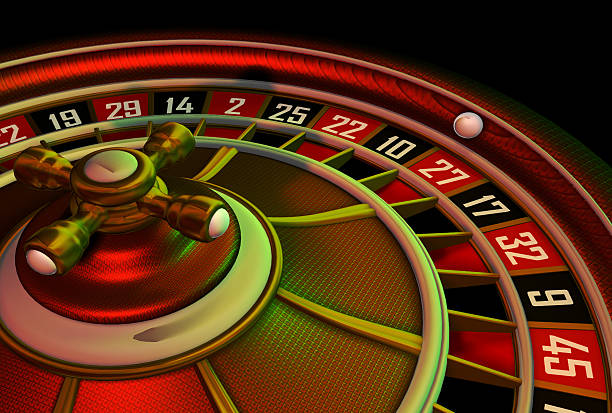
Moreover, casinos employ a layout that encourages exploration and prolonged stay. Slot machines and gaming tables are strategically placed to maximize visibility and accessibility. This spatial arrangement can heighten the sense of opportunity, making it difficult for players to resist the urge to play. As a result, many gamblers may overlook their budgets and time constraints, leading to prolonged sessions that can be detrimental to their financial health.
The Role of Cognitive Biases
Cognitive biases significantly influence gambling decisions, often leading players to make irrational choices. One of the most prevalent biases is the illusion of control, where players believe they can influence the outcome of games that are predominantly based on chance. This misconception can drive individuals to continue playing, even when their losses mount, as they cling to the belief that their next decision will lead to a win.
Another common bias is the gambler’s fallacy, which is the belief that past outcomes can predict future events. For example, if a player experiences a series of losses, they might erroneously think that a win is “due.” This line of thinking can keep players engaged, even when statistical evidence suggests otherwise, fueling a cycle of chasing losses and potentially leading to serious gambling problems.
The Impact of Social Dynamics
The social environment within casinos also plays a crucial role in shaping gambling decisions. Social proof, the tendency to follow the actions of others, can lead players to make riskier bets, especially when they see fellow gamblers celebrating wins. This herd mentality can create a heightened sense of excitement and encourage individuals to gamble beyond their means, contributing to poor decision-making.
Additionally, the presence of friends or peers can amplify the emotional highs and lows of gambling experiences. Positive social interactions can enhance the enjoyment of gambling, leading to an increased likelihood of returning to the casino. However, this can also obscure the risks associated with gambling, as individuals may underestimate the potential consequences while caught up in the thrill of the moment.
Neurological Factors at Play
The human brain is wired to seek pleasure and reward, and gambling activates the brain’s reward system in a way that can be highly addictive. When a player wins, the brain releases dopamine, a neurotransmitter associated with pleasure and reinforcement. This rush can create a powerful desire to continue playing, as individuals seek to replicate the euphoric experience of winning.
Moreover, the anticipation of a win can be just as stimulating as the win itself. The brain responds to the possibility of rewards, making even the act of gambling itself a source of excitement. This psychological interplay can lead to compulsive gambling behaviors, as players become increasingly dependent on the rush provided by the casino experience.
Conclusion: The Future of Gambling Psychology
As the gaming industry evolves, understanding the psychology behind gambling decisions will be crucial for both players and operators. Casinos are increasingly using technology to create personalized experiences that cater to individual preferences, which can further amplify psychological influences. The potential for gamification, where elements of gameplay are incorporated into traditional gambling, could also reshape how individuals engage with games of chance.
For those interested in exploring the nuances of gambling psychology, staying informed about new trends and understanding one’s own decision-making processes can lead to healthier gambling habits. By recognizing the psychological forces at play, players can make more informed choices and enjoy the casino experience responsibly.